Car Maintenance And Driving Tips
Modern driving is no longer just about reaching a destination, it’s about how you maintain control, safety, and efficiency along the journey. Every decision behind the wheel shapes the lifespan of your vehicle and your experience on the road. When you start paying attention to small mechanical details, you begin to understand that driving is deeply connected to responsibility and awareness.
In this context, Car Maintenance Tips become the foundation of smarter driving habits. The more consistently you apply them, the more stable and reliable your vehicle becomes over time. Small actions like checking fluids or listening to engine behavior can completely transform how your car performs in daily use.
Essential Car Maintenance For Vehicle Performance
Taking care of a vehicle is not just about fixing problems, it’s about preventing them before they even appear. When you understand how each component works together, maintenance becomes less of a task and more of a habit that protects your investment.
A deeper awareness of your car’s condition helps you anticipate issues before they escalate. Every driver benefits from understanding how routine care influences long-term performance and safety on the road.
Vehicle maintenance guide plays a crucial role in helping drivers structure their maintenance habits properly. It ensures that every essential system, from engine health to braking efficiency, is checked at the right time.
Importance of regular vehicle maintenance routines
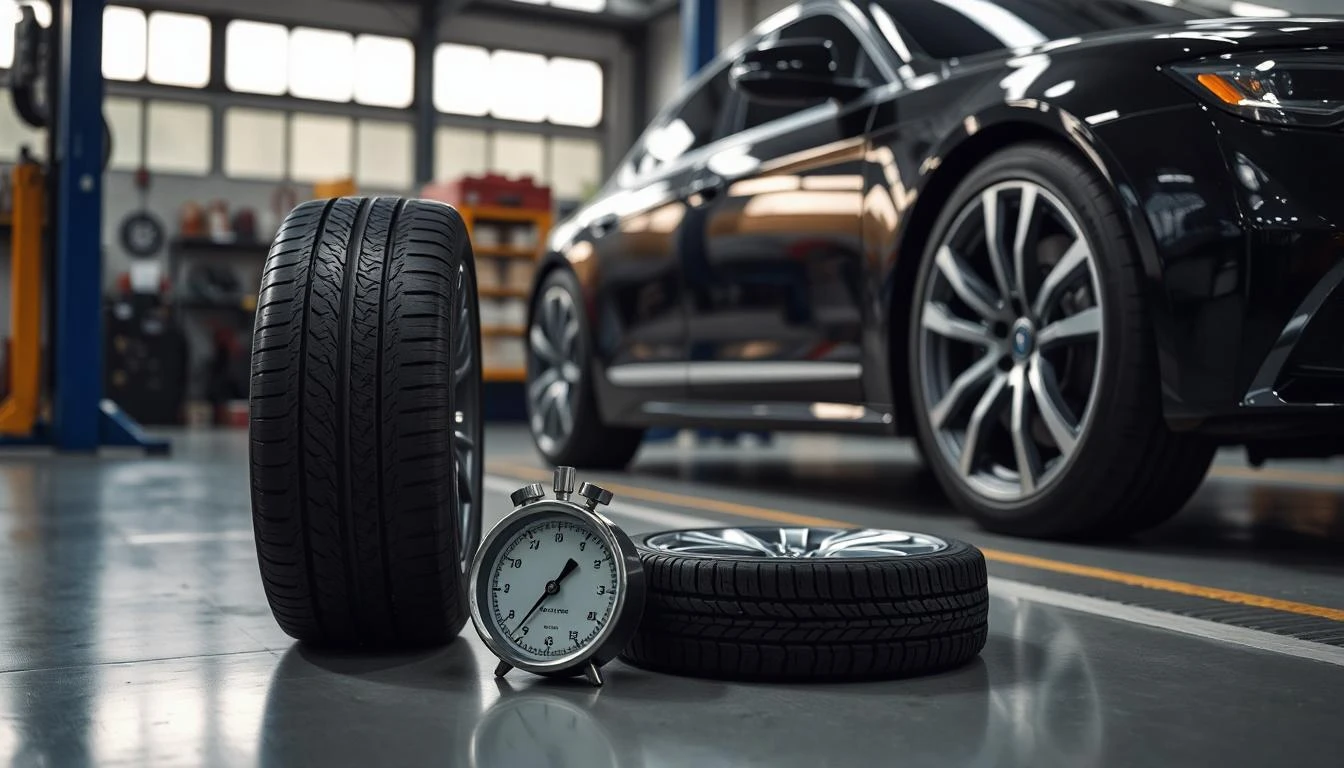
Regular maintenance builds consistency in performance and reduces unexpected breakdowns. Oil changes, tire rotations, and brake inspections are not optional, they are essential steps that preserve vehicle integrity.
According to automotive specialist Daniel Hartman, “A vehicle that is maintained regularly will always outperform a vehicle that is repaired occasionally.” This highlights how discipline in maintenance directly impacts reliability.
Common maintenance tasks every driver should know
Drivers should become familiar with basic tasks such as checking tire pressure, monitoring engine oil, inspecting brake pads, and ensuring coolant levels are stable. These actions may seem simple, but they significantly improve safety and fuel efficiency.
Engine diagnostics, brake system inspection, tire alignment, and fluid level monitoring are all part of modern LSI-related maintenance practices that support long-term vehicle health.
Preventing costly repairs through proactive care
Neglect often leads to expensive consequences. A minor issue like a worn belt or delayed oil change can evolve into severe engine damage if ignored.
Preventive care ensures that problems are detected early through regular inspections and diagnostic checks. This proactive approach keeps repair costs low and vehicle performance stable.
Driving Tips For Safer Road Experiences
Driving safely is not only about following rules, it’s about understanding how your actions affect your vehicle and everyone around you. Every movement on the road requires awareness and intention.
The connection between behavior and mechanical strain is often overlooked. Smooth driving habits not only improve safety but also extend the life of your vehicle’s components.
Vehicle maintenance guide principles also extend into driving behavior, ensuring that drivers understand how road habits influence mechanical performance.
Developing safe and responsible driving habits
Safe driving begins with discipline, gentle acceleration, controlled braking, and maintaining safe distances. These habits reduce unnecessary stress on your vehicle.
Automotive consultant Linda Moreno once stated, “Responsible driving is the first layer of mechanical protection every driver can practice daily.” This reinforces the idea that driving style directly affects maintenance needs.
Improving awareness in different road conditions
Different environments demand different levels of attention. Wet roads, foggy conditions, and uneven terrain require adjustments in speed and distance.
Understanding road feedback such as traction loss or braking delays helps drivers make better decisions in real time.
Reducing risks through defensive driving techniques
Defensive driving is about anticipation. It involves predicting potential hazards before they happen and reacting calmly.
Techniques such as constant scanning, avoiding distractions, and maintaining buffer zones significantly reduce accident risks while improving overall road confidence.
Maintaining Long-Term Vehicle Reliability
Long-term reliability is achieved through consistency, not occasional effort. Every small habit contributes to how well your vehicle performs over the years.
Listening to your vehicle is one of the most powerful habits a driver can develop. Unusual sounds or changes in performance often signal deeper mechanical concerns.
A strong connection between awareness and maintenance ensures that your car remains dependable even after years of use.
Monitoring vehicle performance and warning signs
Warning lights, unusual vibrations, or reduced fuel efficiency are signs that should never be ignored. These indicators help detect problems early.
As automotive engineer Robert Klein explains, “The earlier a driver responds to a warning sign, the lower the long-term damage to the vehicle.” Early detection is always more cost-effective than repair.
Creating a practical maintenance schedule
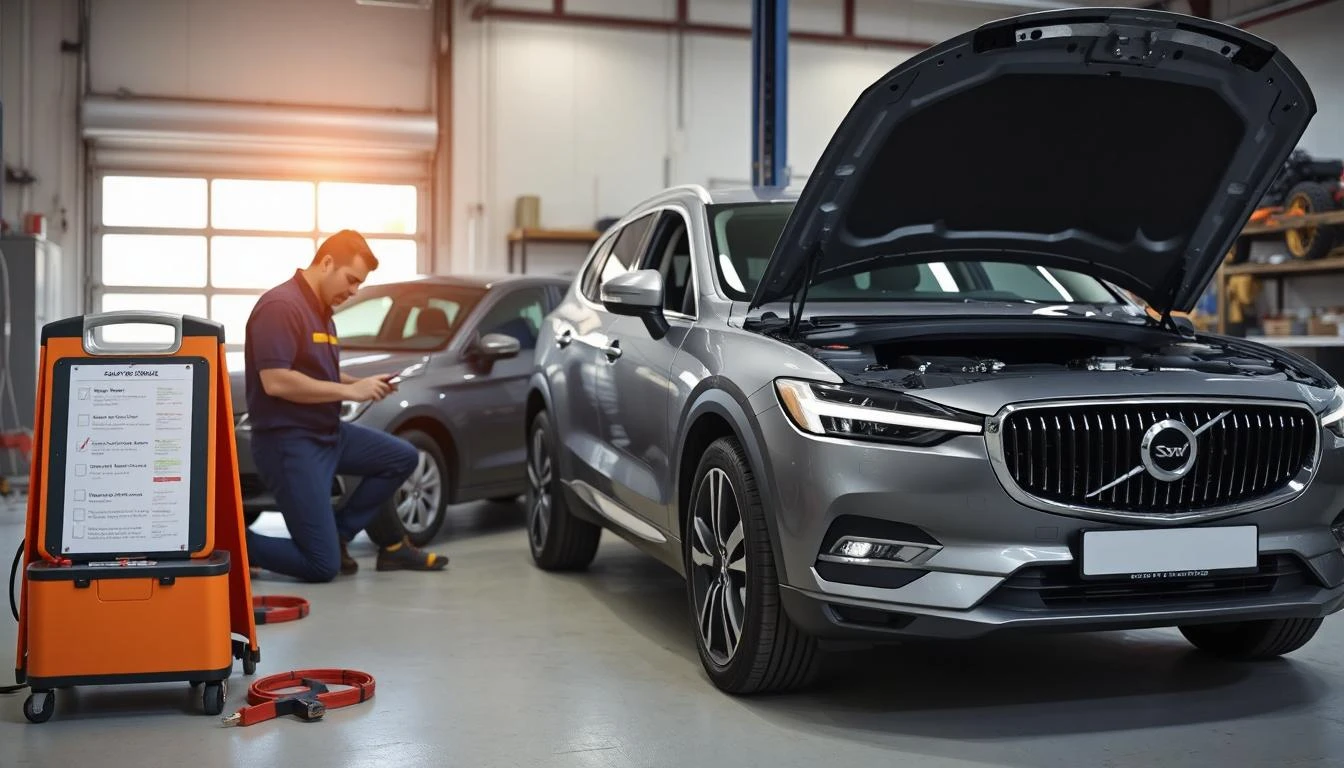
A structured schedule helps ensure no critical maintenance task is missed. Monthly checks, seasonal inspections, and annual servicing create a reliable routine.
Long-term consistency in maintenance significantly improves durability and reduces unexpected breakdowns.
Combining good driving habits with proper vehicle care
Driving habits and maintenance practices work together. Smooth driving reduces wear, while regular servicing ensures all systems function properly.
When both elements are aligned, the vehicle operates at peak efficiency with fewer mechanical risks.
Keep Your Vehicle Running Smoothly With Smart Maintenance
Smart maintenance is about using both awareness and technology. Modern vehicles now include predictive systems that alert drivers before problems occur, making maintenance more proactive than ever.
This shift allows drivers to respond early and avoid unnecessary repairs. The combination of human awareness and machine intelligence creates a safer and more efficient driving experience.